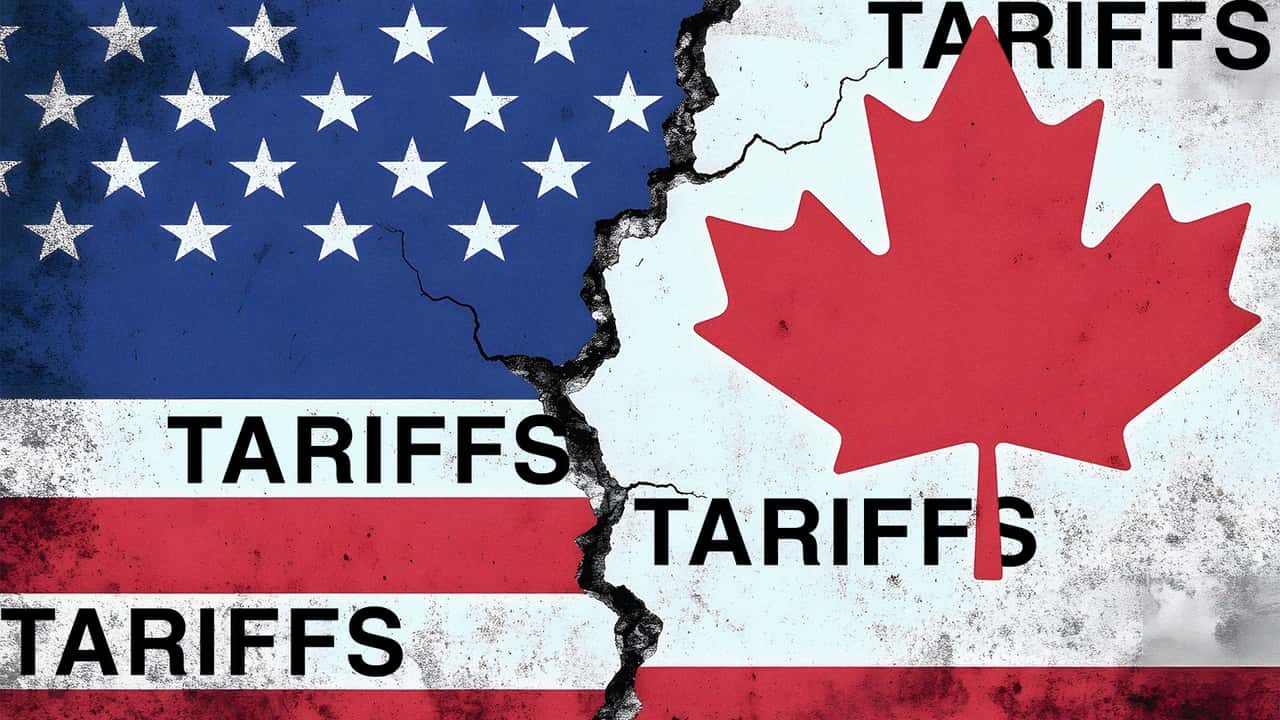
The economic relationship between the United States and Canada has long been one of the world's most integrated and mutually beneficial partnerships. However, recent developments in trade policy have introduced unprecedented challenges to this historic alliance. Understanding these changes is essential for anyone interested in North American economics, international relations, or personal financial planning.
The Background: A Partnership Under Pressure
Canada and the United States share one of the world's most comprehensive trading relationships. Every day, approximately $3.6 billion Canadian dollars worth of goods and services crosses the border between these neighboring nations. This economic interdependence has created millions of jobs and sustained industries on both sides of the border.
The current situation emerged from concerns about border security, specifically related to unauthorized migration and substance trafficking. These issues became central to trade policy discussions, linking economic measures with security objectives in ways not previously seen between these traditional allies.
What Changed: The New Tariff Framework
Beginning in early 2025, a series of policy announcements introduced substantial changes to the trading relationship. Initial measures included a 25% duty on most Canadian imports, with energy products facing a lower 10% rate. This represented a significant departure from decades of increasingly barrier-free trade between the nations.
Timeline of Key Developments
The situation evolved through several distinct phases. February 2025 marked the implementation of the initial tariff structure. By March, adjustments were made to accommodate North American automotive supply chains, which had been particularly affected. The summer months saw further escalation, with rates increasing to 35% on many products.
More recently, additional tensions emerged from disputes over advertising and public communications, leading to threats of supplementary increases. These developments have kept businesses and policymakers on both sides of the border in a state of uncertainty.
Important Context: Goods complying with the United States-Mexico-Canada Agreement (USMCA) have generally been able to enter duty-free, though this framework has come under increasing strain as the situation has evolved.
Economic Implications: Who's Affected?
The impact of these policies extends far beyond government offices and corporate boardrooms. Ordinary people on both sides of the border are experiencing real consequences in their daily lives and financial situations.
Impact on Canadian Economy
Canada's economic performance has shown clear signs of stress. The unemployment rate has reached levels not seen in nine years, reflecting the broader challenges facing Canadian businesses. Industries particularly dependent on American markets have faced difficult decisions about operations, employment, and future investments.
Provinces have responded with varying strategies. Some provincial governments have implemented purchasing policies favoring non-American suppliers. Others have taken symbolic actions, such as removing American products from government-controlled retail operations. These responses reflect both economic calculation and public sentiment.
Effects on American Consumers and Businesses
The American economy has not been immune to these developments. Cross-border travel has declined significantly, with Canadian visits to American destinations down substantially. This has particularly affected border communities and tourism-dependent businesses.
American companies relying on Canadian inputs face higher costs and supply chain disruptions. Consumer goods incorporating Canadian materials or components have seen price increases. Specific sectors like spirits exports have experienced dramatic declines, falling by 85% in recent quarters.
Strategic Considerations: Beyond Economics
Trade policy rarely exists in isolation from broader strategic considerations. The current situation involves multiple interconnected objectives and concerns that extend beyond simple commercial calculations.
Security and Border Management
Border security concerns have been cited as primary justifications for the tariff policies. The focus on unauthorized substances crossing into the United States has been particularly prominent, though data shows that the vast majority of such material comes from different sources and routes.
Canada has responded with significant investments in border security infrastructure and personnel, including joint initiatives with American counterparts. However, these efforts have not yet resulted in significant policy modifications from either side.
Resource Access and Economic Leverage
Canada possesses substantial natural resources of strategic importance, including minerals critical for modern technology and energy transition. The current tensions have sparked discussions about resource access, economic sovereignty, and the future structure of North American economic integration.
Industry Perspective: Sectors facing the most significant challenges include automotive manufacturing, steel and aluminum production, softwood lumber, and energy exports. Each of these industries employs thousands of workers across both countries.
Looking Forward: Potential Outcomes and Scenarios
The path forward remains uncertain, with several possible scenarios that could unfold in coming months. Understanding these possibilities can help individuals and businesses prepare for different outcomes.
Scenario 1: Negotiated Resolution
Diplomatic channels remain active despite public tensions. Both nations have strong incentives to find mutually acceptable solutions that address legitimate security concerns while preserving economic benefits. A negotiated outcome could involve enhanced border cooperation, modified tariff structures, and updated trade agreement provisions.
Scenario 2: Extended Period of Tension
Alternative developments could lead to a prolonged period of elevated barriers and reciprocal measures. This would require businesses to adapt to a new normal of reduced integration, with companies potentially restructuring supply chains and reconsidering cross-border investments.
Scenario 3: Escalation and Fragmentation
Less optimistic scenarios involve further deterioration of the trading relationship, potentially affecting the broader framework of North American economic cooperation. This could have far-reaching implications for continental competitiveness in global markets.
Practical Implications: What This Means for You
Whether you're a consumer, investor, business owner, or simply someone interested in economic trends, these developments carry potential implications worth understanding.
For Consumers
Expect potential price increases on goods that incorporate cross-border components or materials. This could affect everything from vehicles to food products to construction materials. Being aware of these dynamics can help in making informed purchasing decisions.
For Investors
Portfolio diversification becomes particularly important during periods of trade uncertainty. Companies with significant cross-border exposure may face volatility, while those positioned to benefit from supply chain restructuring could see opportunities.
For Business Owners
Supply chain resilience should be a priority. Understanding the origin of inputs, having contingency suppliers, and staying informed about regulatory changes can help businesses navigate uncertain conditions. Professional trade and customs advice may prove valuable.
Important Notice: This article provides general information about recent trade policy developments and their potential implications. It should not be construed as financial, legal, or professional advice. Readers should consult appropriate professionals for guidance on specific situations affecting their business or personal finances.
Conclusion: Staying Informed in Uncertain Times
The evolving trade relationship between the United States and Canada represents one of the most significant economic developments in recent North American history. While the ultimate outcome remains uncertain, staying informed about these developments is essential for making sound personal and professional decisions.
The situation demonstrates how closely interconnected our modern economies have become, and how policy decisions can ripple through industries, communities, and households. By understanding these dynamics, individuals can better navigate the challenges and opportunities that emerge from changing economic circumstances.
As this situation continues to develop, maintaining awareness of policy changes, economic indicators, and expert analysis will be crucial. The relationship between these two nations has weathered challenges before, and the strong fundamental ties between the countries suggest that paths forward exist, even if the journey may be complex.
Stay Updated: Economic and trade policy situations can change rapidly. For the most current information, consult official government sources, reputable news outlets, and professional advisors familiar with international trade matters.