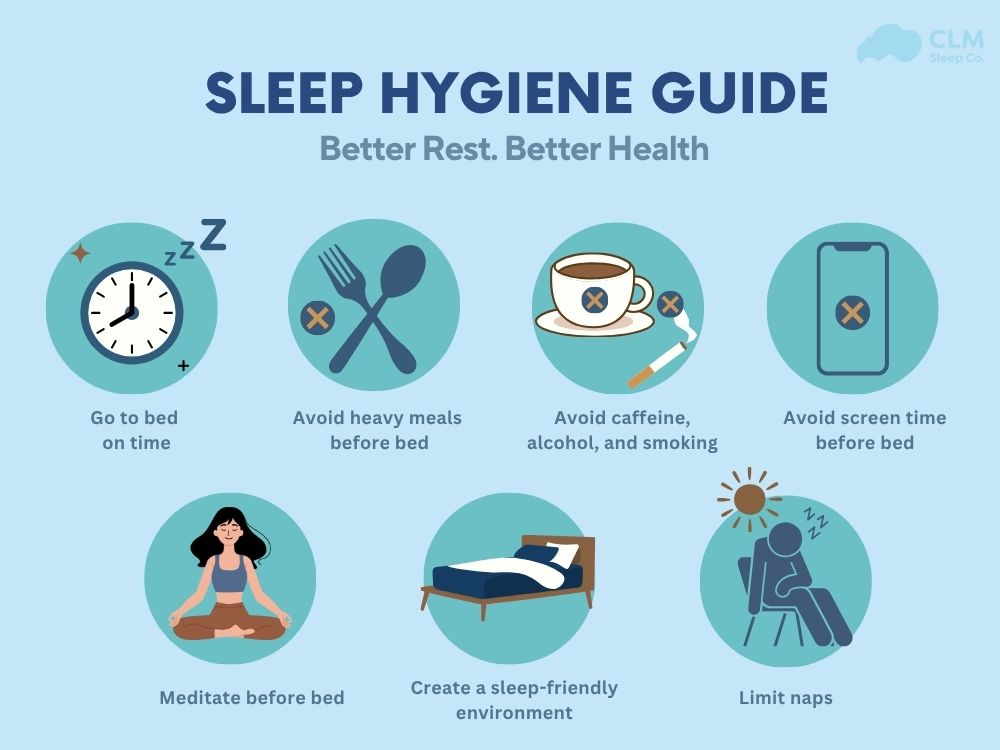
Quality sleep is fundamental to your overall health and wellbeing. Yet millions of people struggle to get the restorative rest they need each night. If you find yourself tossing and turning, waking up groggy, or feeling exhausted throughout the day, you are not alone. The good news is that improving your sleep quality is within your reach through proven, evidence-based strategies.
Sleep researchers have identified numerous factors that influence sleep quality, from environmental conditions to daily habits. By implementing these science-backed techniques, you can transform your nights and wake up feeling truly refreshed.
1. Establish a Consistent Sleep Schedule
Your body operates on an internal clock known as the circadian rhythm, which regulates your sleep-wake cycle. Going to bed and waking up at the same time every day, even on weekends, helps synchronize this natural rhythm. Research shows that maintaining a consistent schedule can improve sleep quality more effectively than sporadic good nights of sleep.
Start by choosing a bedtime that allows for seven to nine hours of sleep. Set an alarm for both bedtime and wake time, and stick to this schedule for at least two weeks. Your body will begin to naturally feel sleepy at your designated bedtime and wake up more easily in the morning.
2. Create an Optimal Sleep Environment
Your bedroom should be a sanctuary for sleep. Several environmental factors play crucial roles in sleep quality. First, temperature matters significantly. Studies suggest that the ideal bedroom temperature for sleep is between 60-67°F (15-19°C). A cooler room facilitates the natural drop in body temperature that occurs during sleep.
Darkness is equally important. Light exposure suppresses melatonin production, the hormone that signals your body it is time to sleep. Use blackout curtains or an eye mask to create complete darkness. Additionally, minimize noise disturbances with earplugs or white noise machines if you live in a noisy environment.
3. Limit Blue Light Exposure Before Bed
Electronic devices emit blue light, which tricks your brain into thinking it is daytime. This suppresses melatonin production and can delay sleep onset by up to three hours. Aim to avoid screens at least one hour before bedtime. If you must use devices, enable blue light filters or wear blue light-blocking glasses.
Instead of scrolling through your phone, engage in relaxing activities like reading a physical book, gentle stretching, or listening to calming music. Your brain will appreciate the signal that it is time to wind down.
4. Watch Your Caffeine and Alcohol Intake
Caffeine is a stimulant that can remain in your system for six to eight hours. Consuming coffee, tea, or energy drinks in the afternoon or evening can significantly disrupt your sleep, even if you do not feel obviously wired. Consider cutting off caffeine consumption by early afternoon.
While alcohol might make you feel drowsy initially, it disrupts sleep architecture and prevents you from reaching deep, restorative sleep stages. If you choose to drink, do so in moderation and finish several hours before bedtime.
5. Exercise Regularly, But Time It Right
Regular physical activity is one of the most powerful sleep aids available. Exercise helps regulate circadian rhythms, reduces stress and anxiety, and promotes deeper sleep. Aim for at least 150 minutes of moderate aerobic activity or 75 minutes of vigorous activity per week.
However, timing matters. Vigorous exercise too close to bedtime can be stimulating and make it harder to fall asleep. Try to complete intense workouts at least three to four hours before bed. Gentle activities like yoga or stretching can be beneficial closer to bedtime.
6. Manage Stress and Anxiety
Racing thoughts and worries are among the most common sleep disruptors. Developing a pre-sleep relaxation routine can help calm your mind. Consider practicing deep breathing exercises, progressive muscle relaxation, or meditation before bed.
If anxious thoughts keep you awake, try the "worry journal" technique. Set aside time earlier in the evening to write down your concerns and potential solutions. This helps your brain process worries before bedtime rather than ruminating when you should be sleeping.
7. Be Mindful of Your Diet
What you eat and when you eat it can impact sleep quality. Large, heavy meals within two to three hours of bedtime can cause discomfort and indigestion that interfere with sleep. If you are hungry before bed, opt for light snacks that combine protein and complex carbohydrates, such as whole-grain crackers with cheese or a small bowl of oatmeal.
Some foods naturally promote sleep by containing sleep-supporting nutrients. Almonds, turkey, chamomile tea, and tart cherry juice have been shown to have mild sleep-promoting properties. However, individual responses vary, so pay attention to how different foods affect your sleep.
8. Optimize Your Daytime Light Exposure
Just as limiting light before bed is important, getting adequate light exposure during the day is equally crucial. Natural sunlight helps regulate your circadian rhythm and boosts alertness during waking hours. Try to spend at least 30 minutes outside in natural light each day, preferably in the morning.
If you work indoors or live in an area with limited sunlight, consider using a light therapy box in the morning. This can be particularly helpful during winter months when daylight hours are shorter.
9. Develop a Relaxing Bedtime Routine
A consistent pre-sleep routine signals your body that it is time to wind down. Your routine should last 30-60 minutes and include only relaxing activities. This might include taking a warm bath, reading, gentle stretching, or listening to calming music.
The key is consistency. Performing the same activities in the same order each night creates a powerful psychological association between these activities and sleep, making it easier to transition into rest mode.
10. If You Cannot Sleep, Get Up
If you have been lying awake for more than 20 minutes, get out of bed and do a quiet, non-stimulating activity in dim light until you feel sleepy. This prevents you from associating your bed with frustration and wakefulness. Read a book, do some light stretching, or practice relaxation techniques until you feel drowsy, then return to bed.
Important Note
While these strategies can significantly improve sleep quality for most people, persistent sleep problems may indicate an underlying sleep disorder such as insomnia, sleep apnea, or restless leg syndrome. If you have tried these techniques and still experience chronic sleep difficulties, consult with a healthcare professional or sleep specialist. This article is for informational purposes only and is not intended to replace professional medical advice, diagnosis, or treatment.
Creating Lasting Change
Improving sleep quality is not about perfection but rather about consistent, gradual improvements. You do not need to implement all ten strategies at once. Start with two or three that resonate most with you, and build from there. Many people see noticeable improvements within one to two weeks of making these changes.
Remember that everyone's sleep needs are unique. While most adults need seven to nine hours of sleep, some people function best with slightly more or less. Pay attention to how you feel during the day. If you wake up refreshed and maintain good energy levels, you are likely getting adequate quality sleep.
Quality sleep is one of the pillars of good health, alongside nutrition and exercise. By prioritizing sleep and implementing these evidence-based strategies, you are investing in your physical health, mental wellbeing, and overall quality of life. Sweet dreams!