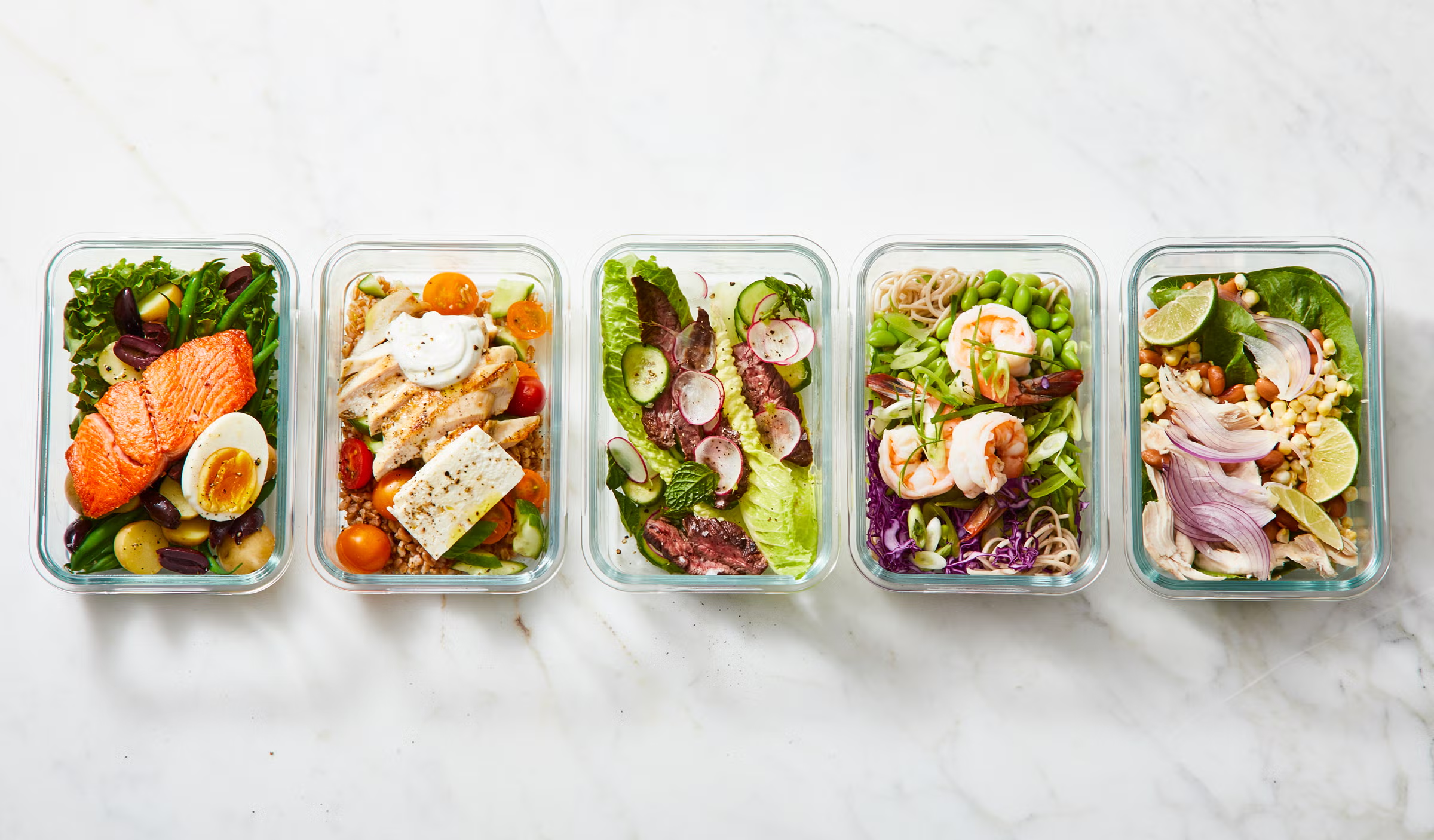
Meal planning is one of the most effective strategies for maintaining a healthy diet, saving time and money, and reducing daily decision fatigue. Whether you are trying to eat healthier, manage your weight, or simply streamline your busy life, a well-organized meal plan can transform your relationship with food and make nutritious eating sustainable for the long term.
Many people feel overwhelmed by the idea of meal planning, imagining hours spent in the kitchen or restrictive eating patterns. However, effective meal planning is flexible, practical, and tailored to your individual needs and preferences. This comprehensive guide will walk you through everything you need to know to create meal plans that work for your lifestyle.
Why Meal Planning Matters
The benefits of meal planning extend far beyond just knowing what is for dinner. When you plan your meals in advance, you are more likely to make nutritious choices rather than grabbing convenient but less healthy options when hunger strikes. Planning helps you ensure dietary variety, balance macronutrients appropriately, and meet your nutritional needs consistently.
From a practical standpoint, meal planning saves significant time during the week. A few hours spent planning and preparing on the weekend can free up valuable time on busy weeknights. You will also notice financial benefits as you reduce food waste, avoid last-minute takeout orders, and shop more efficiently with a clear grocery list.
Getting Started with Meal Planning
Begin by assessing your current eating habits and identifying your goals. Are you looking to increase vegetable intake, reduce processed foods, save money, or simply make weeknight dinners less stressful? Clear goals will guide your planning process and help you stay motivated.
Start small if meal planning is new to you. You do not need to plan every meal and snack for the entire week immediately. Begin by planning dinners for three or four days, then gradually expand as you become more comfortable with the process. Some people prefer to plan a full week at once, while others find success with planning just a few days ahead.
Building Balanced Meals
A nutritionally balanced meal includes several key components. Aim to fill half your plate with vegetables and fruits, choosing a variety of colors to ensure diverse nutrient intake. One quarter should contain lean protein sources such as chicken, fish, beans, tofu, or eggs. The remaining quarter should be whole grains or starchy vegetables like brown rice, quinoa, sweet potatoes, or whole wheat pasta.
Do not forget healthy fats, which are essential for nutrient absorption and satiety. Include sources like olive oil, avocados, nuts, seeds, or fatty fish. These components work together to provide sustained energy, keep you feeling satisfied, and supply the nutrients your body needs for optimal function.
The Meal Planning Process
Set aside a specific time each week for planning, typically during the weekend. Review your schedule for the upcoming week, noting particularly busy days when you might need simpler meals or leftovers. Check your pantry, refrigerator, and freezer to see what ingredients you already have, which can inspire meal ideas and reduce waste.
Browse recipes or create meals based on familiar favorites. Aim for variety throughout the week to prevent boredom and ensure nutritional diversity. Consider theme nights to simplify decision-making, such as Meatless Monday, Taco Tuesday, or Stir-Fry Friday. These themes provide structure while still allowing creativity.
Once you have selected your meals, create a detailed shopping list organized by store sections. This makes shopping more efficient and helps you avoid impulse purchases. Many people find it helpful to use meal planning apps or templates, though a simple notebook works just as well.
Smart Meal Prep Strategies
Meal preparation can happen in several ways depending on your preferences and schedule. Batch cooking involves making large quantities of specific dishes that can be portioned and refrigerated or frozen for later use. This works well for soups, casseroles, grain bowls, and protein sources.
Component prep is another effective approach where you prepare ingredients rather than complete meals. Wash and chop vegetables, cook grains, marinate proteins, or make sauces in advance. These prepped components can then be combined in different ways throughout the week, providing variety without starting from scratch each night.
Some people prefer preparing individual portions of complete meals all at once, particularly useful if you need grab-and-go lunches or have specific dietary requirements. Invest in quality storage containers that are microwave and dishwasher safe to make this process easier.
Making It Sustainable
The key to successful long-term meal planning is flexibility. Life happens, plans change, and that is perfectly okay. Build buffer meals into your plan, such as a freezer meal or a simple pasta dish, for days when the original plan does not work out. Keep your pantry stocked with versatile staples that can become a quick meal when needed.
Embrace leftovers strategically. Intentionally making extra portions can provide lunch the next day or transform into a different meal later in the week. Last night's roasted chicken can become today's chicken salad or tomorrow's quesadilla filling.
Do not aim for perfection. Your meal plan should reduce stress, not create it. If you find yourself dreading meal planning or prep, simplify your approach. Even planning just a few dinners is better than no planning at all.
Adapting to Different Dietary Needs
Meal planning works for virtually any dietary approach, whether you follow a vegetarian, vegan, gluten-free, low-carb, or other specific eating pattern. The principles remain the same—balance, variety, and preparation—while the specific foods you choose will vary based on your needs and preferences.
If you are cooking for a family with different preferences or requirements, consider building meals with customizable components. Taco bars, grain bowls, or stir-fries allow each person to choose their preferred ingredients while sharing a common base.
Important Note
Individual nutritional needs vary based on age, activity level, health status, and personal goals. The general meal planning principles discussed in this article are for informational purposes only. If you have specific dietary restrictions, medical conditions, or nutritional concerns, consult with a registered dietitian or healthcare provider for personalized guidance. This article is not intended to provide medical or nutritional advice.
Getting the Whole Family Involved
Meal planning does not have to be a solo endeavor. Involve family members in the planning process by asking for meal suggestions or assigning each person a night to choose dinner. Children who participate in planning and preparation are often more willing to try new foods and eat what is served.
Delegate age-appropriate tasks during meal prep. Even young children can wash vegetables, tear lettuce, or stir ingredients under supervision. Older children and teens can take on more complex tasks like chopping, measuring, or following simple recipes. This not only lightens your load but also teaches valuable life skills.
Starting Your Meal Planning Journey
Remember that meal planning is a skill that improves with practice. Your first few weeks might feel awkward or time-consuming, but most people find the process becomes quicker and more intuitive over time. Be patient with yourself as you figure out what works best for your household.
The goal is to create a sustainable system that supports your health and fits your lifestyle, not to achieve Instagram-worthy meal prep perfection. Start simple, stay flexible, and adjust your approach as you learn what works for you. With consistency, meal planning will become a valuable habit that supports your wellness goals while reducing daily stress around food decisions.