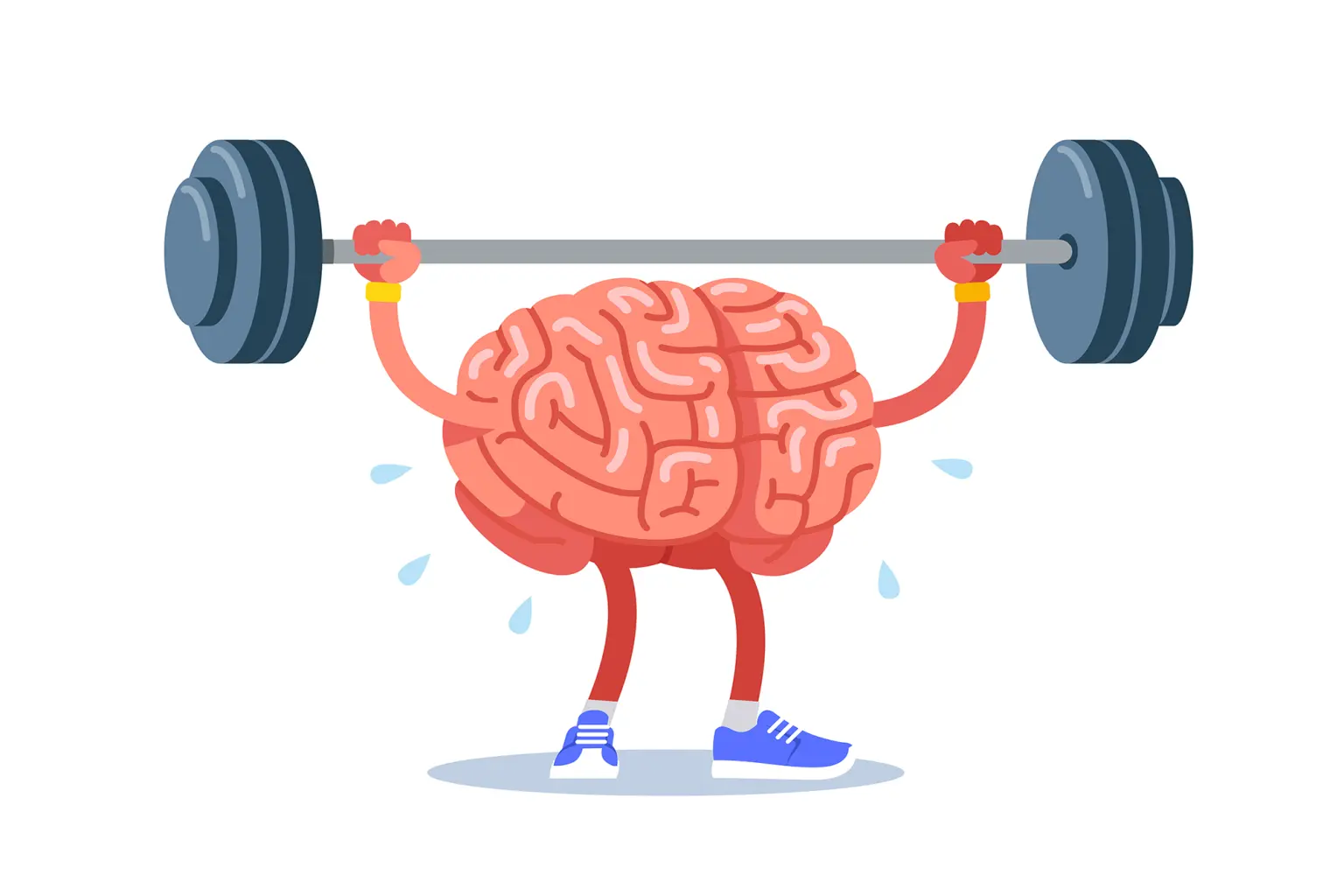
The connection between physical exercise and mental health is one of the most well-established findings in health science. Regular physical activity is not just beneficial for your body—it is a powerful tool for improving mood, reducing anxiety and depression, enhancing cognitive function, and building resilience against stress. Understanding this connection can motivate you to make exercise a non-negotiable part of your mental health care routine.
How Exercise Affects Your Brain
When you exercise, your brain releases a cascade of beneficial chemicals. Endorphins, often called "feel-good" hormones, create a sense of euphoria and act as natural pain relievers. Exercise also increases production of serotonin and dopamine, neurotransmitters that regulate mood, motivation, and feelings of pleasure. Additionally, physical activity promotes the growth of new brain cells and strengthens connections between them, particularly in areas related to memory and learning.
Exercise as an Antidepressant
Research consistently shows that regular exercise can be as effective as medication for treating mild to moderate depression. Physical activity helps break the cycle of negative thoughts, provides a sense of accomplishment, improves self-esteem, and creates opportunities for social interaction. The effects are not just temporary—consistent exercise leads to lasting changes in brain chemistry that support sustained mood improvement.
Reducing Anxiety Through Movement
Exercise is a natural and effective anti-anxiety treatment. Physical activity reduces tension, elevates and stabilizes mood, improves sleep, and boosts self-esteem. The rhythmic nature of many exercises, like running or swimming, can be meditative, quieting the anxious mind. Even five minutes of aerobic exercise can trigger anti-anxiety effects. Regular exercisers report fewer anxiety symptoms even when facing stressful situations.
Cognitive Benefits of Regular Exercise
Physical activity does not just improve mood—it sharpens thinking. Exercise increases blood flow to the brain, delivering more oxygen and nutrients. This supports the growth of new blood vessels and brain cells, particularly in the hippocampus, the area responsible for memory and learning. Regular exercisers show improved concentration, faster learning, better memory recall, and enhanced creativity.
Building Stress Resilience
While exercise itself is a physical stressor, regular activity teaches your body to handle stress more efficiently. Your nervous system becomes better at switching between stressed and relaxed states. This improved stress response system helps you remain calmer and more centered when facing life's challenges. Exercise also provides a healthy outlet for releasing pent-up tension and frustration.
How Much Exercise Do You Need
You do not need to become a marathon runner to experience mental health benefits. Research shows that even modest amounts of exercise make a difference. Aim for at least 150 minutes of moderate aerobic activity or 75 minutes of vigorous activity per week, spread throughout the week. This could be 30 minutes five days a week, or shorter 10-15 minute sessions multiple times daily. Any movement is better than none.
Finding Activities You Enjoy
The best exercise is the one you will actually do consistently. Experiment with different activities to find what you enjoy—walking, cycling, swimming, dancing, team sports, yoga, or strength training. Mixing different types of exercise prevents boredom and works different muscle groups. Exercising outdoors or with others can provide additional mental health benefits through nature exposure and social connection.
Overcoming Barriers to Exercise
When you are struggling with mental health challenges, exercise can feel impossible. Start incredibly small—even a five-minute walk counts. Focus on how you feel after exercising rather than the difficulty of starting. Schedule exercise like any other important appointment. Find an accountability partner or join a group. Remember that you do not have to feel motivated to start—motivation often follows action rather than preceding it.
Important Note
While exercise is a powerful mental health tool, it should complement, not replace, professional treatment when needed. If you are experiencing severe depression, anxiety, or other mental health concerns, please consult with a mental health professional. Exercise works best as part of a comprehensive approach to mental wellness. This article provides general information and should not be considered a substitute for professional medical or mental health advice.
Incorporating regular physical activity into your life is one of the most powerful investments you can make in your mental health. The benefits extend far beyond physical fitness, touching every aspect of psychological wellbeing. Start where you are, be consistent, and gradually build a sustainable exercise routine. Your mind and body will both reap the rewards.